Orford Ness and aircraft design
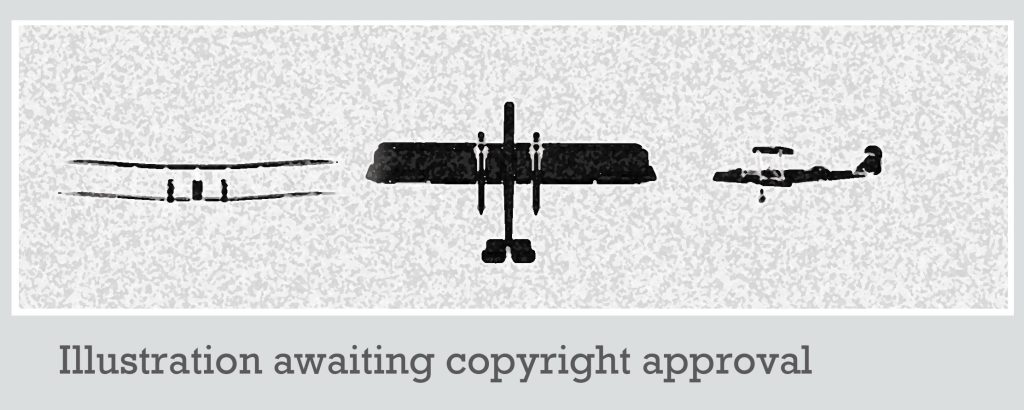
Recent archival discoveries by IRGON have revealed a previously undocumented example of direct knowledge exploitation from the experimental aeronautical establishment at Orford Ness into the design of a complete military aircraft during the First World War. The paper below examines the influence of an advisory report produced in March 1918 by Major B. Melvill‑Jones on the design of the Siddeley–Deasy Sinaia heavy day bomber. Drawing on operational experience and experimental research conducted at Orford Ness, the report addressed navigation, high‑altitude bombing, and defence against enemy aircraft, with particular emphasis on “fightability”: the extent to which airframe design enables aircrew to maximise combat effectiveness. The paper analyses both Melvill‑Jones’s recommendations—covering crew co‑location, fields of view, bomb‑aiming techniques, and defensive gun arrangements—and the subsequent response by Siddeley–Deasy’s Chief Engineer, F. M. Green. These exchanges demonstrate an early and explicit application of operational research and human factors considerations to aircraft design, predating practices that later became standard within military procurement. The study also contributes new technical detail on the Sinaia’s cockpit layout and armament, expanding current knowledge of an aircraft for which much original documentation was lost. Taken together, the evidence positions Orford Ness as a formative centre for applied operational research and marks the Sinaia project as a significant milestone in the integration of tactical research into military aircraft design.